


Why Kevin Warsh Wants the Fed to Stop Telling Markets What Comes Next
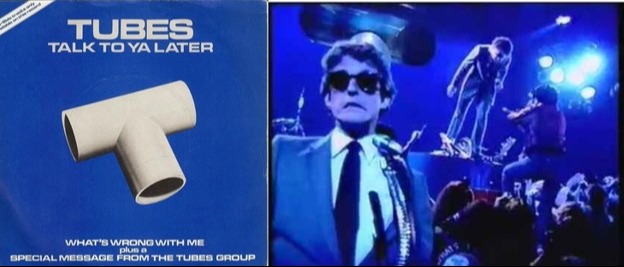
In 1981, The Tubes released one of their signature songs, "Talk to Ya Later," from their fifth studio album, The Completion Backward Principle.
Sources: Wikipedia and YouTube
The San Francisco band had already developed a reputation for elaborate—and expensive—theatrical live performances, and the album marked a turn toward a more radio-friendly sound under producer David Foster. "Talk to Ya Later," helped along by MTV's emerging influence, became one of the songs most closely associated with the band.
If you are unfamiliar with the song—or simply haven't heard it since MTV actually played music videos—I have included a link below for your listening and viewing pleasure.
The video features Fee Waybill, the band's lead singer and songwriter, giving a press conference that goes horribly wrong. In some ways, it looks like a recent FOMC post-meeting press conference.
More than forty-five years later, Federal Reserve Chairman Kevin Warsh appears to have a similar message for financial markets.
Talk to ya later.
Not literally, of course. The Federal Reserve isn't going silent. But Warsh is making a significant change in how the central bank communicates with investors, businesses, and the public.
For much of the Fed's history, policymakers actually said very little.
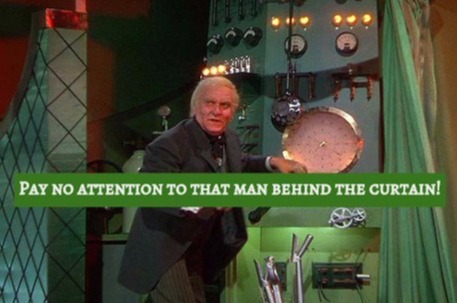
Before 1994, the Federal Open Market Committee was like the Wizard of Oz. It operated behind the curtain, and nobody really knew what it was doing or what decisions it had made. The Fed didn't even announce changes to its federal funds rate target immediately. Markets often had to infer what the Fed had done by observing its activity in the financial system.
Source: LinkedIn
I remember when the Federal Reserve Bank started issuing statements about its policy decisions in the mid-90s. The day after the FOMC met, financial professionals across the country would turn to a simple two-paragraph statement in The Wall Street Journal… Just the facts, ma'am.
Over the decades that followed, the pendulum swung dramatically in the other direction.
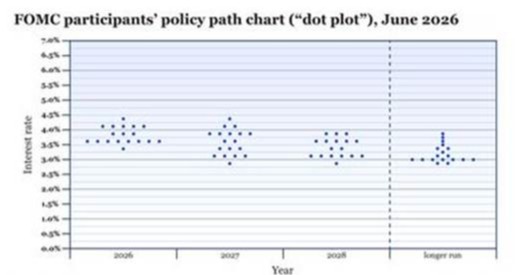
The Fed began announcing rate decisions, issuing increasingly detailed statements, publishing economic projections, and eventually providing the now-famous "dot plot," which shows where individual policymakers expect interest rates to be in the years ahead.
Source: Federal Reserve Bank
After the 2008 Global Financial Crisis, forward guidance became an important monetary-policy tool. With short-term interest rates near zero, the Fed could influence financial conditions by telling markets that it expected rates to remain low for an extended period.
Warsh, who was serving as a Fed governor when forward guidance became a regular policy tool during the financial crisis, now believes the practice has "overstayed its welcome" during normal economic times.
His concern is relatively straightforward.
Tell markets too much about what you expect to do tomorrow, and you may make it harder to change your mind when tomorrow arrives. Economic forecasts change. Inflation changes. Employment changes. Wars, tariffs, oil prices, technology and financial conditions change.
Yet if the Fed has already strongly signaled what it intends to do months into the future, policymakers may become reluctant to deviate from that path—even when the facts have changed. Warsh argues that excessive guidance can create "ambiguity in the name of clarity" and restrict the Fed's freedom to make the best decision when the time actually comes.
Perhaps the best way Warsh has explained his philosophy is through another analogy:
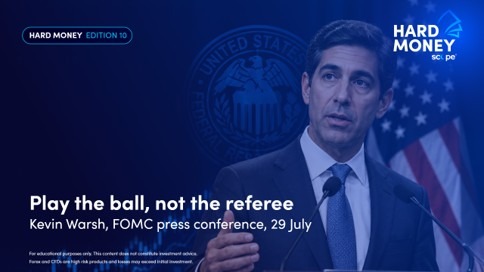
Play the ball, not the referee.
Source: LinkedIn
After the Fed's July meeting, Warsh said market participants were beginning to "play the ball, not the referee."
Think about that for a moment.
For years, investors have spent enormous amounts of time studying the referee.
What did the Fed chairman say? What changed in this month's statement? What does the dot plot show? Was that word more hawkish or dovish than last time?
Does the Fed expect two rate cuts—or three—and when will they begin?
Meanwhile, Warsh wants markets to spend more time watching the ball: inflation, employment, economic growth, productivity, credit conditions, Treasury yields, commodity prices, and everything else happening in the actual economy.
The Fed still matters enormously. It sets short-term interest rates and has powerful tools at its disposal. Warsh isn't pretending otherwise. But he doesn't believe the referee should become the most important player on the field.
And that brings us to perhaps the most fascinating part of his argument—the hall of mirrors.
Imagine markets constantly looking at the Fed to determine where interest rates and the economy are headed.
At the same time, imagine the Fed looking at financial markets—bond yields, stock prices, credit spreads, and other indicators—to determine what investors believe about the economy.
Markets are watching the Fed. The Fed is watching the markets.
Markets then react to what they think the Fed thinks. The Fed then studies market prices that partly reflect what markets think the Fed thinks.
Eventually, we have to ask a rather important question: Who is watching the economy?
Warsh calls this the "hall-of-mirrors problem." If markets rely too heavily on Fed guidance while the Fed relies on market prices for information, both sides can receive distorted signals and may become slower to recognize when economic conditions have genuinely changed.
There is, of course, another side to this argument.
Markets don't necessarily need the Federal Reserve to tell them exactly where interest rates will be six months from now. But investors, businesses and households do benefit from understanding how the Fed thinks and what might cause policymakers to change course.
So Warsh's challenge may ultimately be finding the right balance between saying too much and saying too little.
At Jackson Hole recently, he summarized where he wants that balance to land: "a quieter Fed, more purposeful in its communications."
For investors, there may be a useful lesson in all of this.
Perhaps we should spend a little less time trying to predict every 25-basis-point move by the Federal Reserve and a little more time focusing on what ultimately matters: economic growth, inflation, corporate profits, productivity, valuations, and our own long-term financial plans.
After all, our financial success is unlikely to depend on whether we correctly predict what the Federal Reserve does at its next meeting.
Kevin Warsh appears increasingly comfortable letting markets form their own expectations.
And if you're waiting for the Fed chairman to tell you exactly what's coming next?
Talk to ya later.
And perhaps that's not such a bad thing as we continue Moving Life Forward.
©2026 Jesse Hurst
Senior Wealth Manager
The views stated are not necessarily the opinion of Cetera and should not be construed directly or indirectly as an offer to buy or sell any securities mentioned herein. Due to volatility within the markets mentioned, opinions are subject to change without notice. Information is based on sources believed to be reliable; however, their accuracy or completeness cannot be guaranteed. Past performance does not guarantee future results.
Investors cannot directly invest in indices.
Featured Blog Image Source: iStock.com/Alex_Bond